Behavior Is a Strategy: How Contra Costa Probation Is Blazing a New Trail
By: DB Bedford | Chief Behavioral Strategist | Ei365
Not every leadership team understands that behavior is part of strategy.
Contra Costa County Probation Department (CCC Probation) does.
I want to take a moment to recognize Chief Esa Ehmen-Krause, MPA and Assistant Chief Kiki Farris for their innovative leadership and for creating the space to bring Civility Intelligence™ into the professional development of their Probation Community Associates. That kind of decision says a lot about where an organization is headed, because not many leaders see the value in helping their teams skillfully manage emotions under pressure before the pressure actually shows up.

“As Civility Ambassadors, you now carry a higher level of awareness to raise the accountability bar in one of the most demanding professions.” Kiki Farris
In fast-paced environments, behavior is never neutral. The way people communicate, listen, pause, respond, redirect, and manage themselves can either support the outcome or create a new problem. That is why this work matters. Civility Intelligence™ gives teams a practical way to study behavior before behavior becomes the problem.
Over the past 24 weeks, I had the opportunity to work with Contra Costa Probation’s PCA team through a Civility Intelligence Training Series. This was not a one-time workshop where people show up, take notes, and go back to business as usual. This was a real commitment to learning, reflection, discussion, practice, and growth over time.
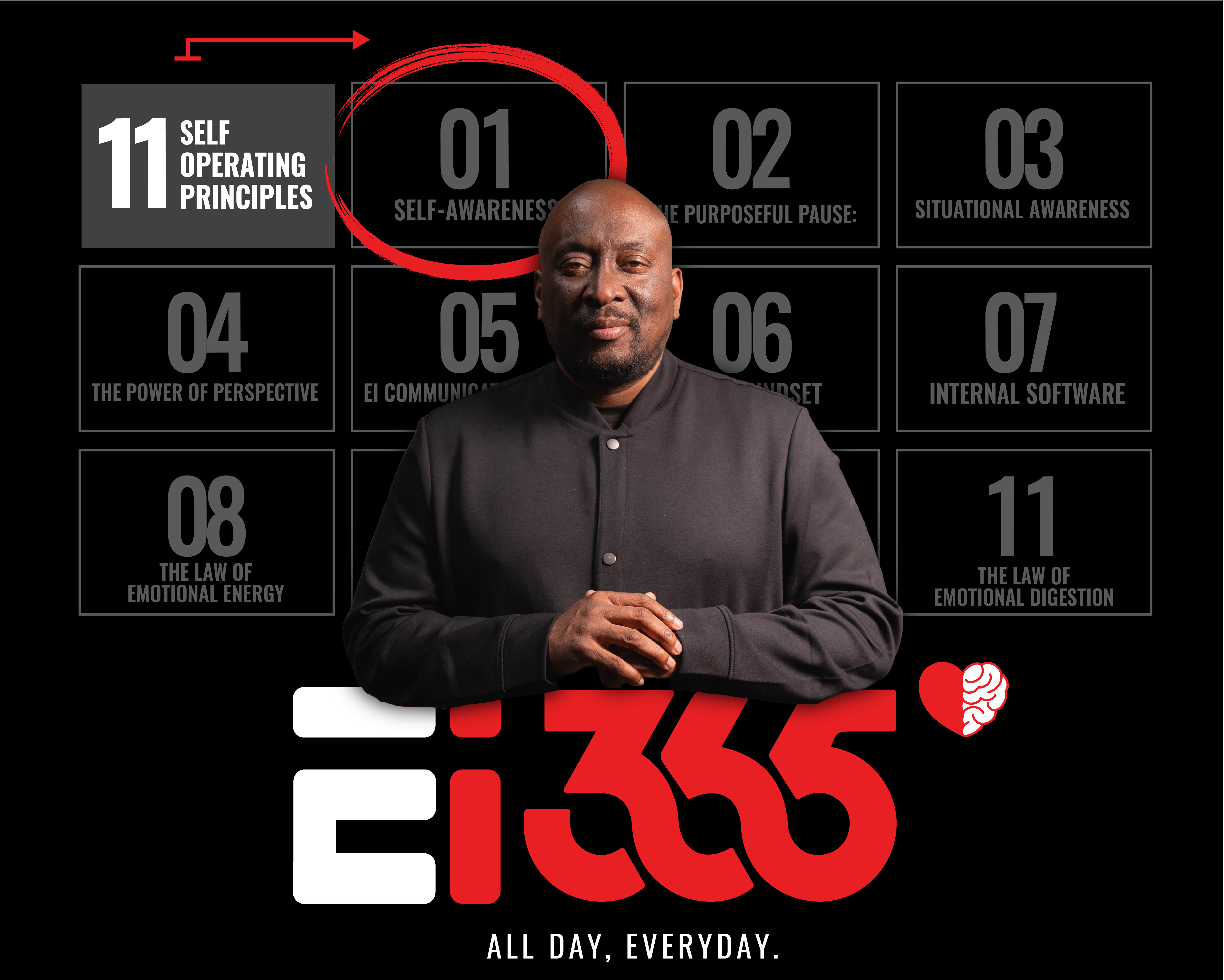
During the series, the PCAs studied and applied the 11 Self-Operating Principles of the Civility Code of Conduct. We talked through self-awareness, emotional discipline, situational awareness, behavioral strategies, communication, and what it means to stay grounded when the moment becomes challenging. More importantly, we talked about what happens when these principles are tested in real life, both personally and professionally.
That is where the real work showed up.
It is easy to talk about civility when everything is calm. The test comes when someone is frustrated, tired, misunderstood, challenged, or under pressure. That is when behavior becomes the strategy. That is when the ability to pause, listen, regulate, and respond with intention can change the direction of an entire interaction.
The work Probation Community Associates do deserves more recognition. Their role requires patience, accountability, professionalism, emotional control, and the ability to balance structure with respect. A lot of people may never fully understand what it takes to do this work well, but I have always respected the level of behavioral discipline required to serve people and protect outcomes at the same time.
I also want to give special recognition to DeAjuané “Dee” Jones.
Dee is one of the most committed leaders I have had the opportunity to work with. Her level of buy-in was refreshing. She did not just send her PCA team through the training and wait for them to report back. She participated every single week, made it a priority, and shared her own experiences right alongside her team.
That matters because real leadership does not sit above the work. Real leadership steps into the work. Dee’s presence sent a clear message to her team: “I am not asking you to grow in an area I am not willing to grow in myself.” That kind of leadership builds trust, and trust creates the kind of room where people can be honest, reflect, and get better.
I also want to recognize Traci Anderson, Francisco Martinez, and Lily Marvin for showing up with open minds, honest participation, and a willingness to succeed. Their consistency over 24 weeks should not be taken lightly. They committed themselves to a range of knowledge and skill building that will continue to support them in the work they do and the spaces they lead.

I want to give an extra shout-out to Traci Anderson for being an early adopter and a champion advocate for this work. Every meaningful movement needs people who see the value early, lean in, and help create momentum. Traci has been one of those people.
As this series comes to a close, this team is not just walking away with certificates. They are now Civility Ambassadors.
That means they carry a higher level of awareness, responsibility, and influence into the rooms they enter, the conversations they have, and the moments where their response can make a difference. They should be proud of that. They should not take lightly the dedication, reflection, and behavioral skill building they gave themselves to throughout this process.
This is the kind of work that may not always make headlines, but it helps shape culture from the inside out. When leaders invest in the human side of performance, they are investing in better communication, stronger trust, safer conversations, better decisions, and more consistent outcomes.
That is why Contra Costa Probation is blazing the trail.
They are recognizing that professional development cannot only be about policy, procedure, and technical skill. It also has to include the behavior behind the work, because behavior impacts everything.
Congratulations to the Probation Community Associates on completing the 24-week Civility Intelligence Training Series and becoming Civility Ambassadors. It was an honor to walk this journey with you, and I believe this is only the beginning.
For any leader working in a high-pressure environment, the question is not whether behavior matters. The real question is whether you are developing it before pressure tests it.